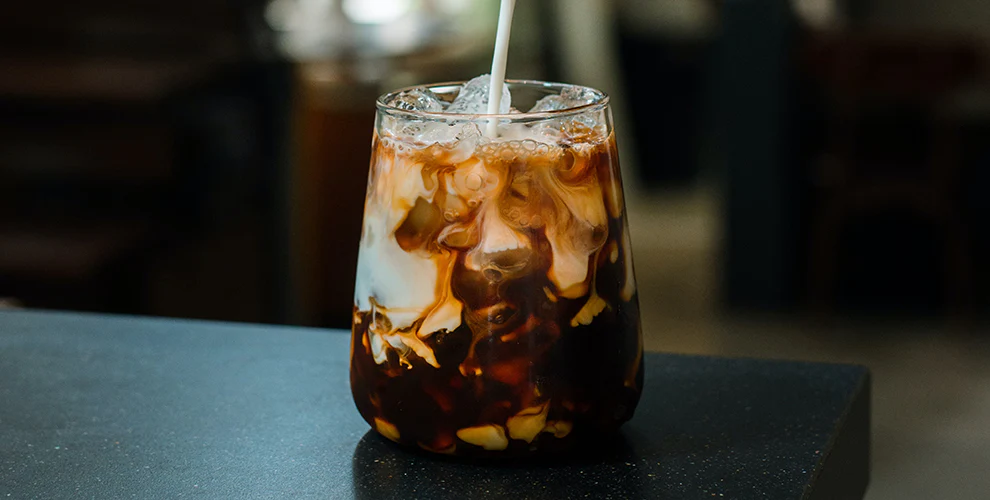
A Guide to Cold Brew Coffee
Ah, cold brew coffee – that smooth, velvety elixir that turned my chaotic mornings into something almost poetic. I still remember my first encounter with it back in college, when a roommate handed me a mason jar of homemade brew during a brutal summer heatwave. It wasn’t just coffee; it was a revelation, less bitter than my usual iced drip and packing a caffeine punch that kept me going through all-nighters. Fast forward to now, and I’ve experimented with everything from backyard roasts to fancy gadgets, all in pursuit of the perfect chilled cup. If you’re here, you’re probably curious about diving into this world yourself, whether to save on cafe runs or just to impress friends at your next brunch. Stick around – we’ll cover the basics, the how-tos, and even some fun twists to make your cold brew journey as refreshing as the drink itself.
What is Cold Brew Coffee?
Cold brew coffee is essentially coffee grounds steeped in cold or room-temperature water for an extended period, usually 12 to 24 hours, resulting in a concentrated, smooth beverage that’s served chilled. Unlike hot brewing methods, it extracts flavors slowly without heat, leading to a less acidic profile that’s easier on the palate and stomach. This makes it ideal for those hot days when you crave coffee but not the bitterness.
The History of Cold Brew Coffee
The roots of cold brew trace back to the 1600s in Japan, where Dutch traders introduced the method as a way to preserve coffee during long voyages. It evolved into what’s known as Kyoto-style coffee, a slow-drip process that became a cultural staple. By the 19th century, it spread to places like Algeria, blending with local customs for sweetened versions. Today, it’s a global favorite, but I like to think of it as coffee’s patient ancestor – no rush, just pure flavor.
Cold Brew vs. Iced Coffee: Key Differences
While both are served cold, cold brew is made by steeping grounds in cool water, yielding a bolder, smoother taste with lower acidity. Iced coffee, on the other hand, is hot-brewed coffee poured over ice, which can dilute and turn bitter as it melts. If you’ve ever sipped watery iced coffee on a sweltering afternoon, you’ll appreciate why cold brew feels like the upgraded sibling – it’s concentrated and consistent every time.
Benefits of Cold Brew Coffee
One of the biggest perks of cold brew is its health edge; it’s packed with antioxidants that may help reduce risks of heart disease and diabetes, plus it boosts metabolism thanks to higher caffeine content. It’s also gentler on your gut, with up to 67% less acidity than hot coffee, making it a go-to for those with sensitive stomachs. From my own trials, switching to cold brew cut down on my afternoon crashes – it’s like a steady energy hug without the jitters.
- Higher Caffeine Kick: Often contains more caffeine per serving, perfect for long days.
- Smoother Flavor Profile: Less bitterness means you can enjoy it black or customized.
- Longer Shelf Life: Stays fresh in the fridge for up to two weeks without losing potency.
- Versatile for Recipes: Blends seamlessly into smoothies, cocktails, or desserts.
- Eco-Friendly Option: Uses less energy since no heat is involved in brewing.
How to Make Cold Brew at Home
Making cold brew at home is surprisingly simple and forgiving – no fancy barista skills required, just patience and basic kitchen tools. Start with coarsely ground coffee and filtered water, let it sit overnight, and strain for a concentrate you can dilute to taste. I’ve botched a few batches early on, but once you nail the ratio, it’s cheaper and tastier than store-bought.
Essential Ingredients and Ratios
You’ll need fresh, coarsely ground coffee beans – aim for a medium roast to highlight subtle notes – and cold filtered water to avoid off-flavors from tap. A standard ratio is 1:8 coffee to water for ready-to-drink, or 1:4 for concentrate; I prefer 1:5 for that Goldilocks strength. Experiment with beans from different regions, like Ethiopian for fruity vibes.
Step-by-Step Brewing Guide
Grind your beans coarse like sea salt, mix with water in a jar, and stir gently to saturate. Cover and refrigerate for 12-18 hours – I set a timer to avoid over-steeping. Strain through a fine mesh or cheesecloth, dilute if needed, and serve over ice for instant refreshment.
Common Mistakes to Avoid
One rookie error is using finely ground coffee, which leads to bitter, gritty brew – always go coarse to prevent over-extraction. Don’t skimp on steeping time; too short and it’s weak, too long and it’s astringent. Forgetting to filter properly can leave sediment, turning your smooth sip into a sandy surprise.
Pros and Cons of Home Brewing
Pros include cost savings – pennies per cup versus cafe prices – and full control over strength and flavors. Cons? It takes time, so plan ahead, and cleanup can be messy if you’re not organized. Overall, the pros outweigh for anyone committed to their coffee ritual.
Best Cold Brew Coffee Makers for 2026
With so many options on the market, picking a cold brew maker boils down to capacity, ease of use, and durability – think compact for solo sippers or large for families. Top models like the OXO Good Grips excel in consistent extraction and simple cleanup. Based on recent reviews, these tools make home brewing effortless and elevate your daily routine.
| Maker | Capacity | Material | Price Range | Best For |
|---|---|---|---|---|
| OXO Good Grips | 32 oz | Glass/Plastic | $30-50 | Beginners, easy drain |
| KitchenAid | 38 oz | Glass/Stainless | $80-100 | Fridge storage, spigot |
| Takeya Deluxe | 64 oz | Plastic | $20-30 | Budget, airtight seal |
| Toddy System | 1.5L | Plastic | $40-60 | Large batches, pros |
| Hario Mizudashi | 1L | Glass | $15-25 | Compact, simple design |
Comparison: Budget vs. Premium Makers
Budget options like Takeya focus on affordability and portability, great for casual users but may lack durability. Premium ones, such as KitchenAid, offer sturdy builds and features like taps for mess-free pouring – worth it if you’re brewing weekly. In my experience, investing a bit more saves hassle long-term.
Pros and Cons of Top Models
The OXO shines with its rainmaker lid for even saturation but can be pricey for basics. Takeya is leak-proof and cheap, though plastic might absorb odors over time. Choose based on your space and frequency – no wrong pick if it fits your vibe.
Delicious Cold Brew Recipes and Variations
Once you’ve mastered the base, cold brew becomes a canvas for creativity – add milks, syrups, or fruits for endless twists that beat any coffee shop menu. Start simple with a classic latte, then venture into flavored realms like coconut or mint. My go-to is a vanilla-infused version that feels indulgent without the calories.
Basic Cold Brew Recipes
For a straightforward iced latte, mix 4 oz concentrate with 4 oz milk over ice – almond for nutty notes or oat for creaminess. Sweeten with honey if desired, and garnish with cinnamon for warmth. It’s quick, customizable, and hits the spot on lazy weekends.
Advanced Flavor Variations
Try a coconut paradise by blending cold brew with coconut milk and a splash of pineapple juice – tropical vibes in a glass. Or go for raspberry fizz: add sparkling water and fresh berries for a bubbly, low-cal treat. Don’t forget boozy options like adding rum for a coffee cocktail – perfect for evenings, but sip responsibly!
- Vietnamese Style: Sweetened condensed milk for creamy decadence.
- Mocha Twist: Chocolate syrup and whipped cream for dessert-like joy.
- Spiced Chai: Infuse with chai tea bags during steeping for fusion fun.
Storing and Serving Your Cold Brew
Proper storage keeps your cold brew fresh and flavorful – refrigerate in an airtight container for up to 14 days, but I find it peaks within a week. Serve over ice with mix-ins like syrups or foams for cafe flair. Pro tip: freeze some into cubes to avoid dilution, keeping every sip strong.
Tips for Perfect Serving
Pour slowly over ice to watch the cascade – it’s oddly satisfying. Experiment with glassware; tall tumblers for lattes, short rocks for black. Add a straw and lemon twist for that extra touch, making even solo drinks feel special.
People Also Ask
Here, we’ll tackle some common questions straight from search trends, drawing from real user curiosities on Google.
Is cold brew coffee stronger than regular coffee?
Yes, cold brew often has higher caffeine due to longer extraction, but it depends on the ratio – dilute it for milder strength.
How long does cold brew last in the fridge?
Up to two weeks if stored properly, but taste it after seven days; it might lose vibrancy but stays safe.
Can I heat up cold brew coffee?
Absolutely – warm it gently on the stove for a hot cup without bitterness, though it’s best enjoyed cold.
What’s the best coffee for cold brew?
Medium roasts with chocolate or nutty profiles work wonders; avoid light roasts if you dislike acidity.
Does cold brew have more caffeine?
Typically yes, as the concentrate form packs more per ounce, but always check your brew method.
FAQ
What grind size is best for cold brew?
Coarse grind, like breadcrumbs, prevents bitterness and makes straining easier – finer grinds over-extract.
Can I make cold brew without a maker?
Yes, use a simple jar or French press; it’s budget-friendly and yields great results with minimal effort.
Is cold brew healthier than hot coffee?
It can be, with lower acidity and similar antioxidants, but moderation is key for caffeine intake.
Where can I buy quality cold brew beans?
Local roasters or online shops like specialty sites offer fresh options; look for single-origin for unique tastes.
How do I fix bitter cold brew?
Shorten steep time or use a coarser grind next batch – add milk or sweetener to salvage the current one.
In wrapping up, cold brew isn’t just a drink; it’s a lifestyle tweak that brings joy to your routine. Whether you’re brewing your first batch or tweaking recipes, remember the fun in experimentation. I once added too much cinnamon and ended up with a holiday-spiced disaster – laughed it off and tried again. Grab some beans, get steeping, and here’s to your next perfect pour. Cheers!