The Best Store-Bought Chicken I’ve Ever Roasted—Here’s Why It Tastes So Good
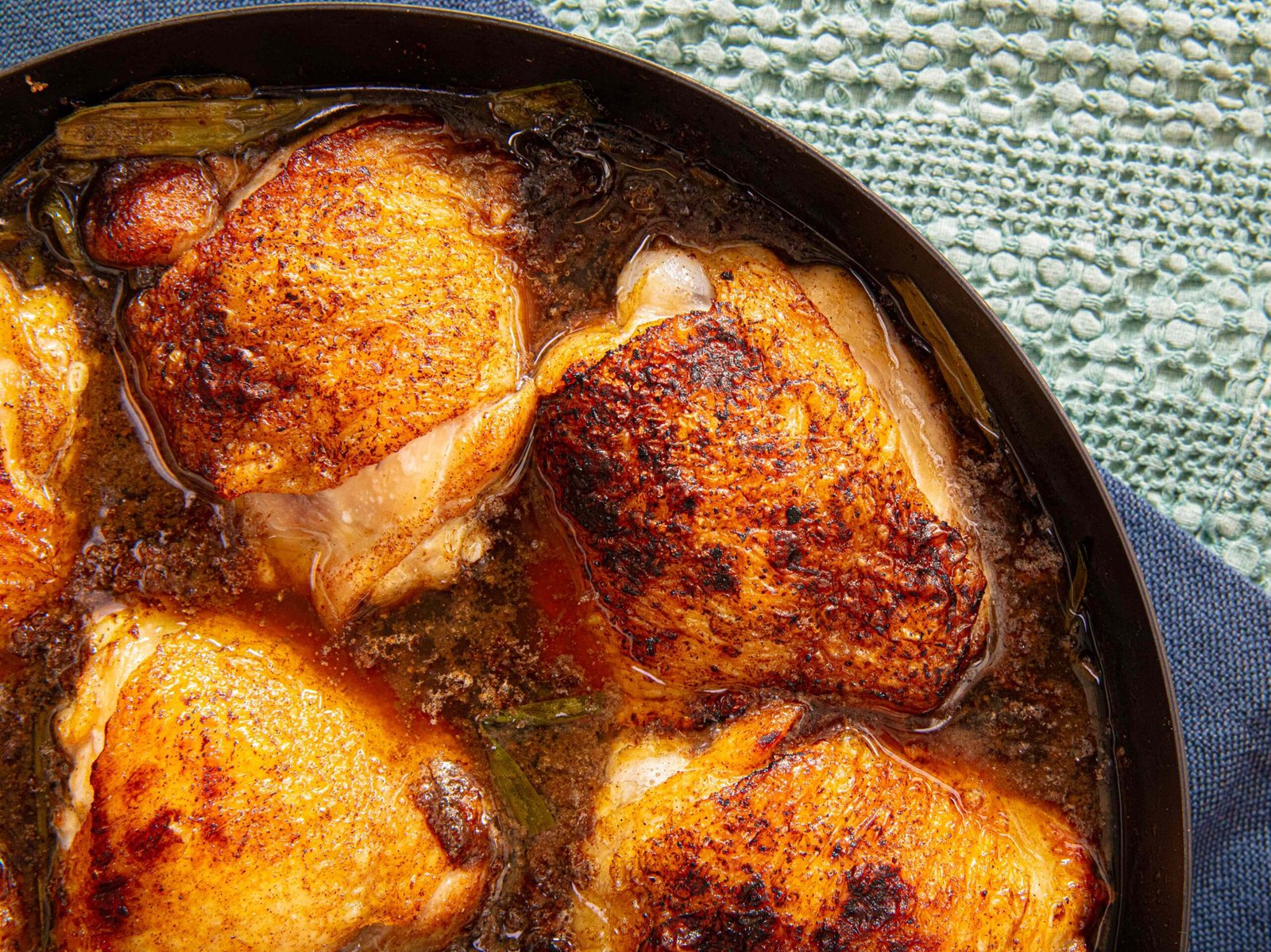
Picture this: It was a chilly autumn evening, and I was craving something comforting for dinner. I grabbed a whole chicken from the store on a whim, thinking it’d be just another average roast. But after dry-brining it overnight and popping it in the oven, the aroma that filled my kitchen was unlike anything I’d experienced before. The skin crisped up golden and crackly, the meat was so juicy it practically fell off the bone, and each bite burst with this deep, almost nostalgic chicken flavor. Turns out, it wasn’t my roasting skills—it was the chicken itself. That bird changed how I think about store-bought poultry forever.
Discovering the Game-Changer: LaBelle Patrimoine Chicken
I first stumbled upon LaBelle Patrimoine at my local Whole Foods, tucked away in the meat section amid the usual suspects. This heritage breed from France isn’t your run-of-the-mill broiler—it’s raised slowly on small Pennsylvania farms, taking longer to mature, which builds richer flavor in the meat. The result? A chicken that tastes like, well, real chicken—tender, succulent, with a subtle earthiness that makes every other grocery store bird seem bland by comparison.
Why Heritage Breeds Stand Out
Heritage chickens like LaBelle aren’t engineered for speed; they’re old-school varieties that prioritize taste over efficiency. They roam more, eat a varied diet, and develop firmer, more flavorful muscles. Unlike factory-farmed birds, these have less water weight, so you get pure, concentrated goodness without that spongy texture.
The Role of Farming Practices
These birds get outdoor access, shade, and dust-bathing areas under Step 4 Animal Welfare standards. No antibiotics or hormones mean cleaner, more natural meat. It’s not just ethical— it translates to better eating, with fat that’s schmaltzy and yellow, begging to be sopped up with bread.
The Science Behind That Unbeatable Flavor
Ever wonder why some chickens taste “chickeniest,” as one food writer put it? It boils down to breed, feed, and processing. LaBelle’s French heritage genetics allow for slower growth, letting flavors deepen naturally. Their diet of grains and forages adds complexity, while air-chilling (instead of water baths) keeps the skin crisp and the meat undiluted.
Air-Chilling vs. Water-Chilling: A Key Difference
Most store chickens are water-chilled, absorbing up to 14% extra liquid that dilutes taste and makes skin soggy. Air-chilling evaporates moisture, concentrating flavors and yielding better texture. It’s why LaBelle roasts up so superior—crisp outside, moist inside, no weird sliminess.
Feed and Diet’s Impact on Taste
These chickens munch on non-GMO feeds without fillers, leading to richer omega-3s and a nuttier profile. Compare that to corn-fed mass-market birds, which can taste flat or even metallic. Small changes in what they eat make big waves in your dinner.
My Go-To Roasting Method for Maximum Deliciousness
After that first roast, I tweaked my technique to highlight LaBelle’s qualities. Start with a 3-4 pound bird, pat dry, and dry-brine with kosher salt overnight in the fridge uncovered. Rub with olive oil, herbs like thyme and rosemary, and roast at 425°F for about 50-60 minutes until the thigh hits 165°F. Rest it, carve, and watch jaws drop.
Prepping the Chicken: Simple Steps for Success
Rinse if needed, but focus on drying thoroughly for crisp skin. Tuck wings, tie legs for even cooking. Stuff the cavity with lemon halves, garlic, and onion for subtle aroma without overpowering the natural taste.
Roasting Tips to Avoid Dry Meat
High heat first for browning, then lower to 375°F. Baste with pan juices midway. Use a thermometer—overcooking is the enemy. If it’s your first time, don’t stress; this chicken forgives minor slip-ups better than cheaper ones.
Comparing LaBelle to Other Store-Bought Options
I’ve roasted plenty of birds from various brands, and LaBelle consistently wins. Costco’s Kirkland is cheap and juicy but lacks depth—it’s more about volume than vibe. Whole Foods’ organic is solid, but without the heritage edge, it’s just good, not great. Walmart’s? Affordable, but often watery and bland.
Pros and Cons of Top Chicken Brands
- LaBelle Patrimoine: Pros: Deep flavor, ethical farming, air-chilled. Cons: Pricier ($7-9/lb), limited availability.
- Bell & Evans: Pros: Air-chilled, antibiotic-free, tender. Cons: Less heritage focus, can be uneven in size.
- Mary’s Chicken: Pros: Organic, free-range, good texture. Cons: Milder taste, higher cost.
- Kirkland (Costco): Pros: Huge portions, low price. Cons: Water-chilled, inconsistent quality.
A Side-by-Side Taste Test
In my kitchen experiments, LaBelle scored 9/10 for flavor intensity, while Bell & Evans hit 8/10 and Kirkland lagged at 6/10. The heritage bird’s fat rendered more flavorful drippings, perfect for gravy or potatoes.
| Brand | Flavor Depth | Texture | Price per lb | Availability |
|---|---|---|---|---|
| LaBelle Patrimoine | High (chickeniest) | Succulent, crisp | $7-9 | Whole Foods, select grocers |
| Bell & Evans | Medium-high | Tender, firm | $5-7 | Major supermarkets |
| Mary’s Chicken | Medium | Juicy, natural | $6-8 | Health stores, online |
| Kirkland | Low-medium | Moist but soft | $2-3 | Costco only |
Where to Find and Buy the Best Chicken for Roasting
Whole Foods is the go-to for LaBelle Patrimoine—check the fresh meat counter or ask the butcher. If unavailable, look for similar heritage options at farmers’ markets or online via sites like Heritage Foods USA. For Bell & Evans or Mary’s, hit up Kroger, Safeway, or natural grocers like Sprouts.
Online Options for Convenience
Websites like ButcherBox deliver air-chilled, heritage-style chickens monthly. Amazon Fresh sometimes stocks premium brands, but verify freshness. Local CSAs often offer pasture-raised birds that rival LaBelle in taste.
Brick-and-Mortar Stores to Try
In urban areas, specialty butchers like The Butcher & Larder carry heirloom varieties. Rural spots? Farm stands beat big chains for flavor, though supply varies seasonally.
Recipes to Elevate Your Roast Chicken Game
Once you’ve got the bird, mix it up. My favorite twist: Herb butter under the skin with garlic and lemon zest. Or go Asian-inspired with soy-ginger glaze. Leftovers shine in salads, tacos, or soup— that flavorful meat holds up beautifully.
Classic Roast with a Twist
Rub with smoked paprika for subtle heat. Serve with roasted veggies. It’s simple, but LaBelle’s depth makes it restaurant-worthy.
Leftover Ideas That Don’t Disappoint
Shred for enchiladas or stir into risotto. The bones make killer stock—simmer with veggies for hours, strain, and freeze for future meals.
- Bullet-proof gravy: Deglaze pan with wine, add flour, whisk in drippings.
- Quick salad: Mix shredded chicken with greens, feta, and vinaigrette.
- Soup base: Boil carcass with carrots, celery, noodles for comfort in a bowl.
- Tacos: Warm tortillas, add chicken, avocado, lime—dinner in minutes.
Storage and Shelf Life for Peak Freshness
Fresh LaBelle lasts 3-5 days in the fridge uncooked. Roasted? Up to 4 days sealed. Freeze raw for 9 months, cooked for 3. Always thaw in the fridge to avoid texture loss.
Freezing Tips Without Losing Flavor
Wrap tightly in plastic then foil. Label dates. Defrost slowly for best results—rushed thawing leads to mushy meat.
Signs It’s Gone Bad
Off smells, slimy feel, or discoloration mean toss it. Heritage chickens spoil slower due to less water, but err on caution.
People Also Ask: Common Questions About Roast Chicken
From Google searches, folks often wonder about perfecting their roast. Here are real queries with quick answers.
What is the best temperature to roast a chicken?
Aim for 425°F initially for crisp skin, then drop to 375°F. This ensures even cooking without drying out.
How do you make roast chicken juicy?
Dry-brine overnight, don’t overcook (use a thermometer), and let it rest 10-15 minutes post-roast to redistribute juices.
Why is my roast chicken dry?
Likely overcooked or poor-quality bird. Opt for air-chilled heritage like LaBelle to start with moister meat.
What’s the difference between roasting and baking chicken?
Roasting uses higher heat for browning; baking is lower and slower. For chicken, roasting wins for texture.
Transactional Tips: Best Tools for Roasting Chicken
A solid roasting pan with rack prevents sogginess—try the All-Clad for even heat. Instant-read thermometer like ThermoWorks is essential. For carving, sharp knives from Victorinox make it effortless.
Must-Have Kitchen Gadgets
Invest in a wire rack for air circulation. Basting brush for oils. Twine for trussing—keeps shape uniform.
Budget vs. Premium Options
Cheap: Basic aluminum pan ($10). Splurge: Le Creuset enameled cast iron ($300) for lifetime use.
The Emotional Pull: Why This Chicken Feels Like Home
Roasting LaBelle reminds me of Sundays at my grandma’s, where chicken was the star, not just filler. There’s humor in my early fails— like the time I forgot to remove giblets and ended up with surprise “stuffing.” But nailing it now? Pure joy, connecting me to simpler times amid busy life.
Building Connections Through Food
Share a roast with friends; it’s a conversation starter. Kids love the crispy bits, turning picky eaters into fans. It’s not just dinner—it’s a ritual.
A Lighthearted Fail Story
Once, I brined too long and got salty chicken jerky. Lesson learned: Balance is key. Laugh it off, try again—cooking’s about the journey.
Final Thoughts on Elevating Your Roasts
Switching to premium store-bought chickens like LaBelle transformed my meals from meh to memorable. It’s worth the extra few bucks for that wow factor. Experiment, enjoy, and remember: Great food starts with great ingredients.
FAQ
What makes LaBelle Patrimoine chicken taste better than regular store-bought?
Its heritage breed, slow growth, varied diet, and air-chilling process concentrate flavors, making it more tender and deeply chickeny without dilution from water baths.
Where can I buy LaBelle Patrimoine chicken?
Primarily at Whole Foods Market, but check local grocers or online via their site. Alternatives like Bell & Evans are widely available at supermarkets.
How long does it take to roast a 4-pound chicken?
About 50-60 minutes at 425°F, but always check internal temp at 165°F in the thigh. Resting adds 10 minutes for juiciness.
Is heritage chicken worth the price?
Absolutely—if flavor matters. It’s pricier but yields better texture, ethics, and satisfaction, reducing waste since every bit tastes amazing.
Can I use this chicken for other recipes besides roasting?
Yes! Grill, stew, or shred for salads. Its superior taste shines in everything from soups to sandwiches.