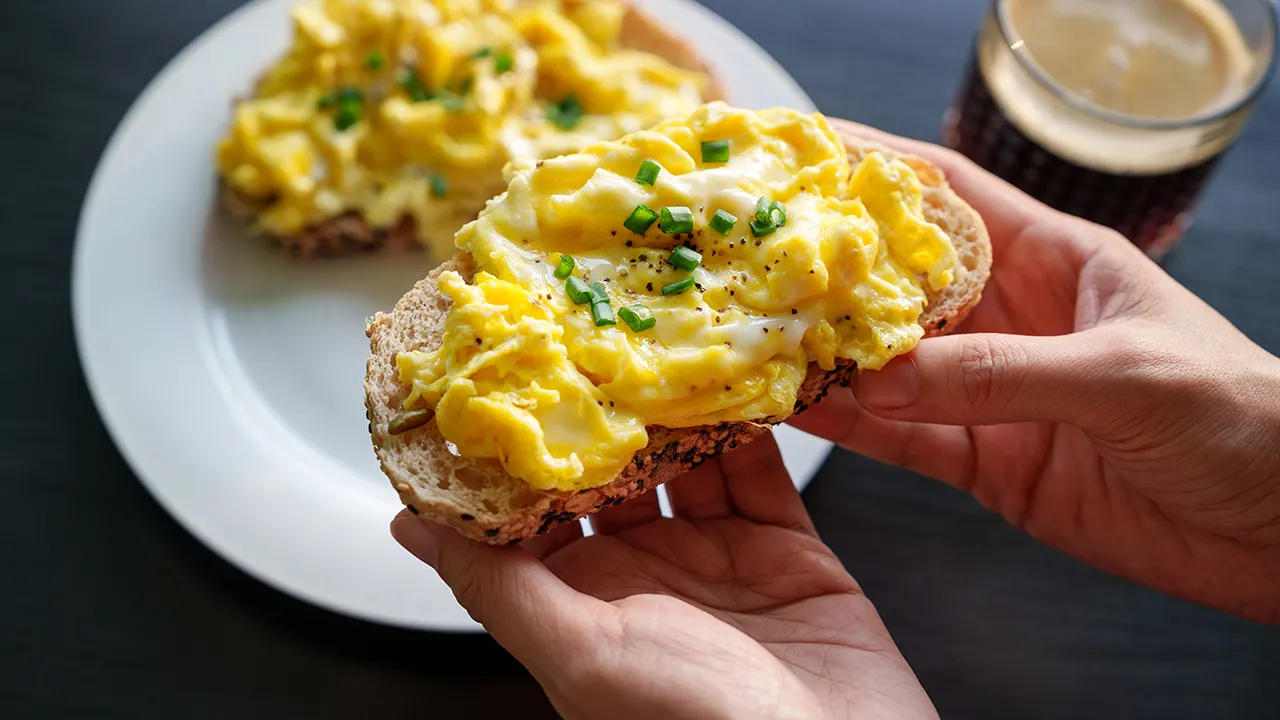
The Real Secret Behind Restaurant-Quality Scrambled Eggs
Restaurants don’t rush scrambled eggs. They treat them like a delicate sauce, cooking low and slow to keep proteins tender and moisture locked in. Home cooks often blast high heat, leading to tough, dry results. The difference comes from heat control, fat incorporation, and knowing exactly when to pull them off the stove.
Why Low and Slow Wins Every Time
High heat sets eggs fast but unevenly, squeezing out water and creating rubber bands instead of silk. Low heat lets curds form gently, staying creamy. Chefs like Gordon Ramsay or those at French bistros use this to get that signature softness—eggs that almost melt on your tongue.
Understanding Egg Proteins and Heat
Egg whites and yolks have different setting points. Whites firm up around 144°F, yolks at 158°F. Gentle heat lets you hit that sweet spot without overcooking, preserving moisture and creating tiny, uniform curds.
My Journey from Floppy Mess to Fluffy Perfection
Years ago, my scrambled eggs were always either watery or overdone. I blamed the eggs or the pan. Then I watched a few pro videos—Gordon Ramsay stirring constantly in a cold pan, Thomas Keller passing eggs through a sieve—and decided to experiment. My first attempt was too soupy, but by the third try, I had diners-level eggs. Sharing that plate with friends turned breakfast into an event.
Common Mistakes I Made (And How to Avoid Them)
Most people whisk once and dump into a hot pan. I learned to whisk vigorously for air, salt early for tenderness, and stir nonstop once in the pan. Skipping these turns good eggs into average ones.
Heat Level Myths Debunked
Many think medium-high gives fluff. It gives speed but sacrifices texture. Start low-medium; the eggs tell you when they’re ready.
Step-by-Step: The Ultimate Restaurant-Style Scrambled Eggs Recipe
This method blends French custard-style with American diner fluff. For 2 servings (adjust as needed):
- 4-6 large eggs (room temperature if possible)
- 2-3 Tbsp unsalted butter (divided)
- 2-3 Tbsp heavy cream, crème fraîche, or sour cream
- Kosher salt and fresh black pepper
- Optional: chopped chives or parsley
Crack eggs into a bowl, add a pinch of salt, and whisk hard for 30-60 seconds until uniform and slightly foamy. Let sit 5-10 minutes.
Melt 1-2 Tbsp butter in a nonstick skillet over low-medium heat until just foaming but not browning.
Pour in eggs. Stir constantly with a silicone spatula, scraping the bottom and sides in figure-eights. Pull the pan off heat periodically if it gets too hot.
When curds form but eggs still look wet (about 3-5 minutes), remove from heat. Stir in remaining cold butter and cream to stop cooking and add richness.
Season with pepper, garnish, and serve immediately on warm plates or toast.
Pro Tips for That Extra Edge
Room-temp eggs cook more evenly. Cold ones shock and tighten. Use a smaller pan for better control—eggs spread less, curds stay delicate.
Finishing with Cream or Crème Fraîche
Gordon Ramsay’s trick: add cold crème fraîche off-heat. It cools the eggs, prevents overcooking, and boosts creaminess without curdling. Sour cream or Greek yogurt works as budget swaps.
French-Style vs. American-Style: Which Is Better?
French-style (slow-cooked, spoonable, custardy) feels luxurious—think high-end brunch. American diner-style (fluffier, larger curds) is hearty and comforting. Both can be restaurant-quality; pick based on mood.
Comparison Table: Styles Side by Side
| Style | Heat Level | Texture | Cooking Time | Best For | Key Ingredient |
|---|---|---|---|---|---|
| French Custardy | Very low | Silky, loose, spoonable | 8-12 min | Fancy brunch, date night | Crème fraîche |
| American Fluffy | Low-medium | Soft curds, pillowy | 4-6 min | Everyday breakfast | Milk or cream |
| Gordon Ramsay | Medium start, off-heat finish | Creamy, rich | 5-7 min | Impress guests | Crème fraîche + butter |
Pros and Cons of Each Approach
- French-Style Pros: Ultra-creamy, elegant flavor. Cons: Takes patience, can be too soft for some.
- American-Style Pros: Quick, forgiving, great volume. Cons: Easier to overcook if distracted.
- Hybrid (My Favorite) Pros: Best of both—creamy yet fluffy. Cons: Requires good timing.
Tools That Make a Difference
A good nonstick skillet (8-10 inch) prevents sticking without excess oil. Silicone spatula glides without scratching. Whisk for aeration. Thermometer optional but helpful for precision.
Best Pans and Utensils Recommendations
- Budget: Basic nonstick like T-fal (~$20).
- Mid-range: GreenPan or Calphalon (~$40-60).
- Premium: HexClad hybrid or Le Creuset (~$100+).
For whisks, a balloon whisk beats air in fast. Spatula: flexible silicone from OXO.
Where to Buy Quality Eggs
Farm-fresh or pasture-raised eggs have richer yolks and better flavor. Look for Vital Farms or Pete and Gerry’s at grocery stores. Organic/free-range often taste noticeably better.
Variations to Keep Things Exciting
Add cheese at the end for melt (cheddar, gruyère). Fold in herbs, smoked salmon, or truffle oil for upscale twists. For diner vibe, mix in diced ham or veggies pre-cooked.
Creative Add-Ins List
- Fresh herbs: Chives, dill, parsley.
- Proteins: Bacon bits, smoked salmon, crab.
- Veggies: Sautéed spinach, tomatoes, mushrooms.
- Cheese: Goat, feta, sharp cheddar.
- Spice: Smoked paprika, cayenne for kick.
Breakfast Bowl Ideas
Serve over toast with avocado. Pile on hash browns. Top with hollandaise for eggs Benedict vibes.
Troubleshooting: Fixing Common Scrambled Egg Problems
Rubbery? Cooked too hot/long. Watery? Too much dairy or under-whisked. Bland? Salt earlier and use better butter/eggs.
Quick Fixes
- Too dry: Add splash cream off-heat.
- Uneven curds: Stir more constantly.
- Sticking: Better pan or more fat.
People Also Ask: Real Google Questions Answered
How do you make scrambled eggs fluffy?
Whisk vigorously with a bit of dairy, cook low and slow, and remove from heat while still slightly wet—they’ll finish cooking from residual heat.
What is the secret ingredient for creamy scrambled eggs?
Crème fraîche or heavy cream stirred in at the end stops overcooking and adds luxurious texture, as Gordon Ramsay demonstrates.
Should you add milk to scrambled eggs?
Yes for fluffier texture—1-2 Tbsp per 2 eggs dilutes slightly but creates steam for lift. Skip for richer, custard-like results.
How do restaurants make scrambled eggs so soft?
They use low heat, constant stirring, and often finish with cream or butter off-heat to halt cooking precisely.
Why are my scrambled eggs rubbery?
High heat or overcooking sets proteins too firmly. Lower the flame and pull early.
FAQ
How many eggs per person for restaurant-style scrambled eggs?
Aim for 2-3 eggs per adult. It yields a generous, satisfying portion without overwhelming the plate.
Can I make scrambled eggs ahead of time?
Best fresh, but for crowds, cook low and slow, hold in a double boiler on low, or reheat gently with a splash of cream. Texture suffers a bit.
What’s the best butter for scrambled eggs?
Unsalted European-style (higher fat, like Kerrygold) for richer flavor. It browns less and coats better.
Are farm-fresh eggs worth it for scrambled eggs?
Absolutely—the deeper yolk color and flavor shine through in simple dishes like this.
How do I prevent overcooking scrambled eggs?
Remove from heat when they look 80% done—they continue cooking. Use cold dairy to cool them fast.
That first perfect plate changed how I approach breakfast. It’s simple food elevated by care. Next weekend, give this a shot—your taste buds (and anyone sharing the table) will thank you.