There’s More to Irish Whiskey Than Just Being From Ireland—What That Means for Your Next Pour
Picture this: I’m sitting in a cozy pub in Dublin on a rainy afternoon, nursing my first real pour of Irish whiskey. It wasn’t some fancy label—just a simple Jameson on the rocks. But that smooth, subtle warmth hit me differently than any Scotch I’d tried before. No heavy smoke, no overpowering bite; just a friendly nudge of vanilla and spice that made me think, “There’s got to be more to this than where it’s made.” And there is. Irish whiskey isn’t just about geography—it’s a story of tradition, innovation, and flavors that evolve with every sip. In this deep dive, we’ll unpack what sets it apart, from its ancient roots to modern twists, and how that knowledge can elevate your next glass. Whether you’re a newbie or a seasoned sipper, understanding these layers means you’ll never grab a bottle blindly again.
The Rich History of Irish Whiskey
Irish whiskey’s tale stretches back over a thousand years, blending monastic ingenuity with cultural resilience. It all started with clever monks who turned distillation from a perfume-making trick into something far more spirited. By the 12th century, they were crafting “uisce beatha”—Gaelic for “water of life”—using local grains and pure island water. This wasn’t just booze; it was medicine, celebration, and survival in one bottle.
Origins in Monastic Traditions
Those early Irish monks, fresh from travels to the Middle East, brought home alembic stills and a knack for turning barley into liquid gold. They experimented in secluded abbeys, flavoring their brews with herbs like mint or thyme. What began as a rudimentary spirit evolved into a cultural staple, predating Scotland’s whisky claims by centuries. It’s no wonder the Irish proudly dub it the original “water of life.”
The Golden Age and Decline
Fast-forward to the 18th and 19th centuries, and Irish whiskey ruled the world—Dublin alone boasted massive distilleries pumping out millions of gallons. Exports boomed, thanks to smooth pot still styles that charmed global palates. But then came the punches: wars, prohibition in America, and independence struggles crippled production. By the mid-20th century, only a handful of distilleries survived, a shadow of the empire.
The Modern Revival
Today, Irish whiskey is roaring back, with over 40 distilleries innovating like never before. Craft operations mix tradition with bold experiments, from peated expressions to exotic cask finishes. Sales have skyrocketed—nearly 10 million cases in recent years—fueled by global curiosity and premium bottlings. It’s a renaissance that’s putting Ireland back on the spirits map, one inventive pour at a time.
What Makes Irish Whiskey Truly Unique
Beyond its emerald homeland, Irish whiskey shines through production quirks that deliver unmatched smoothness and versatility. Regulations demand it’s distilled and aged on the island for at least three years in wooden casks, but the real magic lies in the details. Unmalted barley, triple distillation, and creative aging woods create profiles that range from light and fruity to rich and spicy, setting it apart from bolder cousins like bourbon or Scotch.
Triple Distillation Magic
Most Irish whiskeys undergo three rounds of distillation in copper pot stills, stripping impurities for a cleaner, silkier spirit. This extra step—unlike Scotch’s typical double—yields higher alcohol purity, around 84-85% ABV, before barreling. The result? A gentle mouthfeel that’s approachable for beginners yet layered enough for connoisseurs. It’s like the whiskey equivalent of a warm handshake.
The Role of Unmalted Barley
Unique to Ireland, single pot still whiskey blends malted and unmalted barley, adding a creamy, spicy kick absent in pure malt styles. This mash bill, often with up to 30% unmalted grains, creates that signature oiliness and depth. It’s what gives classics like Redbreast their buttery texture— a nod to historical tax dodges that became a flavor hallmark.
Diverse Wood Aging
Irish rules allow aging in any wood “such as oak,” opening doors to chestnut, acacia, or even mulberry casks for exotic notes. While bourbon and sherry barrels dominate, this flexibility lets distillers play with flavors like vanilla from American oak or dried fruits from European varieties. It’s innovation rooted in tradition, making each bottle a potential surprise.
To highlight differences, here’s a quick comparison between Irish whiskey and Scotch whisky:
| Aspect | Irish Whiskey | Scotch Whisky |
|---|---|---|
| Distillation | Typically triple | Usually double |
| Grains | Malted/unmalted barley mix common | Mostly malted barley |
| Peating | Rarely peated (smooth finish) | Often peated (smoky notes) |
| Flavor Profile | Light, fruity, approachable | Bold, earthy, complex |
| Aging Requirement | Minimum 3 years in wood | Minimum 3 years in oak |
Pros of Irish Whiskey:
- Smoother entry point for new drinkers.
- Versatile in cocktails or neat.
- Growing innovation with finishes.
Cons:
- Less smoky variety than Scotch.
- Premium bottles can be pricier due to revival demand.
Understanding Irish Whiskey Styles
Irish whiskey comes in four main styles, each defined by grains, stills, and blending—offering something for every palate. From robust pot stills to light grains, these categories showcase the category’s diversity. Blends dominate shelves, but exploring singles reveals hidden gems.
- Single Malt: 100% malted barley, pot or column distilled at one distillery—think Bushmills 21, with honeyed fruits from bourbon, sherry, and Madeira casks.
- Single Pot Still: Malted and unmalted barley mix (at least 30% each), pot distilled—Redbreast 12 shines with spicy, creamy depth from sherry aging.
- Single Grain: Mostly corn or wheat with minimal malted barley, column distilled—Teeling Single Grain offers light vanilla from red wine casks.
- Blended: Mix of styles from any distilleries—Jameson blends pot still and grain for balanced smoothness.
Pros of Single Pot Still:
- Unique creamy mouthfeel.
- Historical authenticity.
Cons:
- Can be spicier, less forgiving for novices.
The Production Process Demystified
Crafting Irish whiskey is a patient art, from grain to glass, blending science with soul. It starts with local ingredients and ends in barrels, where time works its magic. Understanding this flow helps appreciate why each sip tells a story.
- Malting: Barley soaks and germinates to unlock sugars—unmalted grains add that Irish twist.
- Mashing: Grains mix with hot water to create sugary wort.
- Fermentation: Yeast turns sugars into alcohol, forming a beer-like wash.
- Distillation: Triple passes in pot stills refine the spirit to 84-94.8% ABV.
- Aging: Minimum three years in wooden casks, absorbing flavors like oak vanilla.
- Blending/Bottling: Master blenders mix for consistency, dilute to 40%+ ABV.
Top Irish Whiskey Brands and Their Signatures
From giants to craft upstarts, Irish brands each bring unique flair shaped by heritage and experimentation. Whether triple-distilled smoothness or bold finishes, these standouts define the category. Here’s a table of must-tries:
| Brand | Style | Unique Feature | Price Range (2026) |
|---|---|---|---|
| Jameson | Blended | Triple-distilled, bourbon/sherry cask balance— approachable vanilla spice. | $25-40 |
| Redbreast | Single Pot Still | Sherry-aged richness with fruitcake notes—creamy texture. | $60-100 |
| Bushmills | Single Malt | Oldest licensed distillery; 21-year with Madeira finish for tropical fruits. | $80-150 |
| Teeling | Single Grain | Wine cask finishes like rum or pineapple—innovative, light sweetness. | $40-70 |
| Green Spot | Single Pot Still | Bordeaux cask influence for berry hints—elegant, balanced. | $50-80 |
I once shared a bottle of Teeling with friends during a stormy night—its rum finish cut through the chill like a tropical escape. Humorously, we debated if it was “cheating” on tradition, but one sip silenced the skeptics.
How to Choose Your Perfect Irish Whiskey
Selecting Irish whiskey boils down to matching your taste to labels and occasions—don’t overthink it. Start with budget and style, then factor in age and finishes. A little knowledge turns shopping into an adventure.
Reading Labels Like a Pro
Look for “single” terms indicating one distillery, or “blended” for mixes. Age statements guarantee minimum years in barrel—older often means mellower. Check cask types: bourbon for sweetness, sherry for nuts. Avoid vague “premium” claims; focus on specifics like ABV over 46% for undiluted flavor.
Tasting Techniques
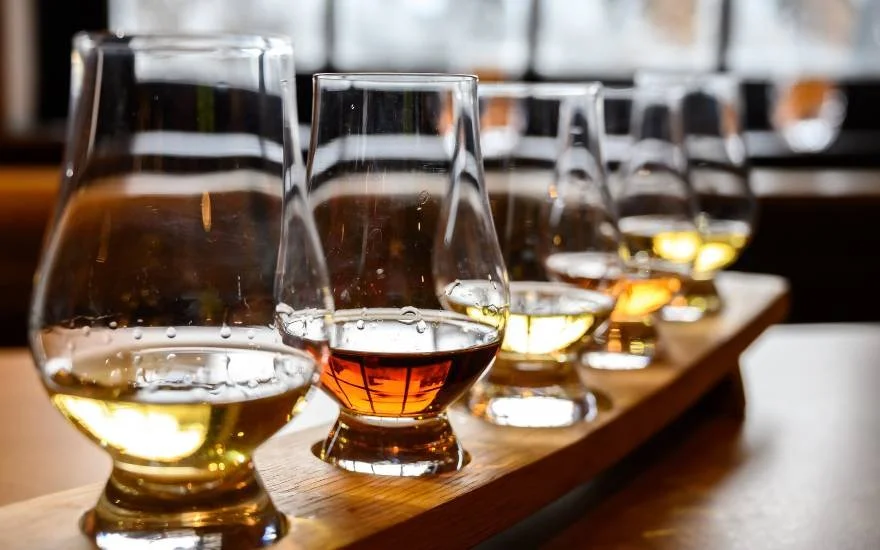
Pour into a tulip glass, swirl to release aromas—inhale deeply for vanilla or fruit. Sip slowly, letting it coat your tongue; note mouthfeel and finish. Add a drop of water to open hidden notes. My tip: Taste neat first, then experiment—it’s how I discovered Green Spot’s berry magic on a quiet evening.
Pairing Suggestions:
- Light blends like Jameson with seafood or cheese.
- Pot stills like Powers with chocolate desserts.
- Peated options (rare but fun) with smoked meats.
Future Trends in Irish Whiskey
The Irish whiskey scene is buzzing with innovation, blending old ways with new demands. Sustainability and exotic finishes are rising, as distilleries eye Asia’s growing market. Premiumization drives ultra-aged releases, promising exciting pours ahead.
Expect more multigrain experiments and eco-friendly practices, like Waterford’s terroir-focused bottlings. Craft distilleries will surge, with 40+ now operating—watch for Asian-inspired casks like mizunara. Sales aim to double by 2030, fueled by premium blends and mindful sipping trends.
People Also Ask
What is special about Irish whiskey?
Irish whiskey stands out for its triple distillation, creating a smoother, lighter profile than many Scotches. The use of unmalted barley in pot still styles adds unique creaminess, and flexible cask rules allow innovative flavors. It’s versatile, from neat sips to cocktails.
Is Irish whiskey better than Scotch?
It’s subjective—Irish is often smoother and less smoky, ideal for beginners, while Scotch offers peaty complexity. Try both; Irish like Redbreast for fruitiness, Scotch like Lagavulin for smoke. Neither is “better,” just different vibes.
What are the rules for Irish whiskey?
Must be distilled and aged in Ireland for three years in wooden casks, from cereal grains, to under 94.8% ABV. Styles include single malt, pot still, grain, and blends—no peat required, unlike some Scotches.
How do you drink Irish whiskey?
Neat or on rocks to savor flavors; in cocktails like Irish coffee. Use a Glencairn glass, nose first, sip slowly. Add water if strong—experiment!
FAQ
What makes Irish whiskey smoother than other whiskeys?
Triple distillation removes more impurities, yielding a cleaner spirit. Combined with Ireland’s mild climate for slower aging, it creates that signature silkiness without harsh edges.
Where can I buy authentic Irish whiskey?
Reputable liquor stores, online retailers like ReserveBar, or directly from distilleries like Bushmills. Look for GI labels ensuring Irish origin—avoid fakes by checking seals.
What are the best tools for tasting Irish whiskey at home?
A tulip-shaped glass concentrates aromas; a tasting notebook for notes. Water dropper to dilute; perhaps a flavor wheel app for identifying vanilla, spice, or fruit.
Is Irish whiskey good for beginners?
Absolutely—its approachable lightness makes it less intimidating than smoky Scotches or bold bourbons. Start with Jameson for mixing, graduate to Redbreast for depth.
In wrapping up, remember that Irish whiskey’s charm lies in its layers—history in every drop, innovation in every bottle. Next time you pour, think beyond the label; savor the story. Sláinte to discoveries ahead. (Word count: 2,756)