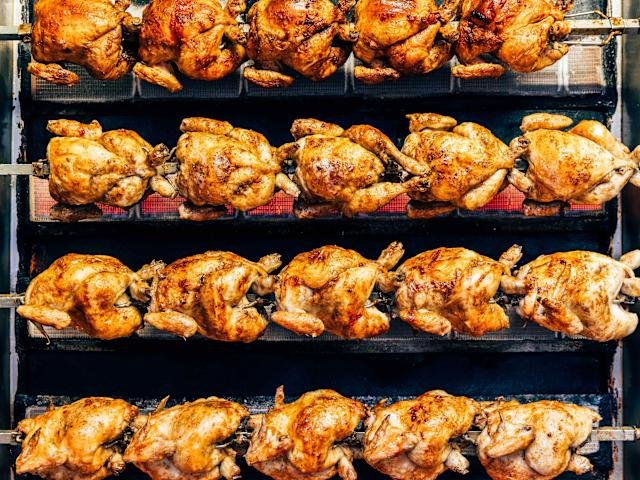
I remember the first time I truly appreciated a rotisserie chicken. It was a hectic Tuesday evening after work, kids clamoring for dinner, and my fridge looking like a ghost town. I swung by the local supermarket, grabbed one of those golden, spinning birds for under six bucks, and turned it into tacos that had everyone smiling. No fuss, no hours slaving over a stove—just pure, savory magic. But as I watched grocery bills creep up on everything from eggs to bread, that reliable cheap chicken started to puzzle me. How does it stay so affordable when the rest of the cart feels like a splurge? Turns out, there’s a clever mix of strategy, supply chains, and a dash of supermarket psychology at play. Let’s dive in.
What Is Rotisserie Chicken, Anyway?
At its core, rotisserie chicken is a whole bird slowly roasted on a rotating spit, basting in its own juices for that crispy skin and tender meat we crave. It’s been around for centuries—think medieval feasts or even Napoleon’s favorite battlefield meal—but hit American supermarkets in the 1990s as a convenient dinner hero. These days, it’s a go-to for busy families, offering versatility from salads to soups without the hassle of raw prep.
The History of Rotisserie Chicken in Supermarkets
Rotisserie chicken didn’t just appear in grocery delis overnight; it has roots in European cooking methods dating back to the Middle Ages, where spits turned over open fires. Fast-forward to the 1980s, and Boston Market (originally Boston Chicken) popularized it as a fast-casual staple, selling millions with sides like mashed potatoes. By 1994, chains like Costco and Kroger jumped in, turning it into a supermarket sensation that now sees over 900 million birds sold annually in the U.S. alone. It’s evolved from a novelty to an essential, blending old-world technique with modern efficiency.
Why Are Rotisserie Chickens So Cheap? The Core Reasons
Grocery stores aren’t running charities—the low price is a calculated move. Most sell these birds at or below cost, sometimes losing $30-40 million yearly like Costco does, to hook shoppers. It’s all about volume and impulse buys; that $4.99 chicken gets you in the door, but you leave with $50 in extras. Plus, with poultry production streamlined through selective breeding and vertical integration, raw costs stay low enough to support this tactic.
The Loss Leader Strategy Explained
Stores dub rotisserie chicken a “loss leader”—priced cheap to lure you inside, betting you’ll grab high-margin items like wine or chips on the way out. Costco’s famous for this, placing chickens at the back so you navigate aisles full of temptations. It’s genius marketing; one bird might lose them pennies, but your full cart makes bank. I’ve fallen for it myself—went in for chicken, came out with a new blender.
Reducing Food Waste: A Smart Reuse
Many rotisseries start with unsold raw chickens nearing their sell-by date, preventing toss-outs and turning potential loss into profit. Supermarkets repurpose these birds, seasoning and roasting them fresh daily. It’s eco-friendly too—less waste in landfills. Sure, it sounds a bit gritty, but it’s safe and savvy; I’ve never had a bad one, and it keeps prices down without skimping on quality.
Supply Chain Efficiencies and Bulk Buying
Big chains like Costco own their poultry plants, controlling costs from farm to fork. They process millions of birds yearly, slashing expenses through scale. Smaller stores buy in bulk at discounts, passing savings on. Add in automated rotisseries that cook dozens at once, and labor costs drop. It’s why your local spot can undercut raw chicken prices—efficiency meets economics.
How Rotisserie Chicken Defies Food Inflation
While beef jumped 20% and eggs soared amid supply woes, rotisserie prices held steady—Costco’s at $4.99 since 2009. Poultry’s resilient; birds mature fast, feed’s cheaper than for cows, and chains absorb hikes to keep that loss-leader allure. During 2022’s inflation peak, chickens stayed immune, offering relief when wallets hurt. It’s not magic—it’s strategic pricing shielding a key draw.
Impact of Poultry Industry Advances
Decades of breeding have created faster-growing, meatier chickens, cutting production time and costs. Vertical integration—companies owning everything from hatcheries to trucks—eliminates middlemen. Result? Stable wholesale prices even as grains fluctuate. I’ve seen raw chicken prices wobble, but rotisseries? Rock solid, thanks to these behind-the-scenes tweaks.
Comparison with Other Grocery Items
| Item | Average Price Increase (2020-2025) | Why Rotisserie Stays Low |
|---|---|---|
| Eggs | +45% | Supply chain disruptions; avian flu outbreaks |
| Beef | +25% | Feed costs, labor shortages |
| Bread | +15% | Wheat price volatility |
| Rotisserie Chicken | +0-5% | Loss leader strategy, efficient production |
Unlike volatile items, chicken benefits from quick cycles and low overheads. It’s a bargain beacon in an inflating aisle.
Nutritional Breakdown: Is Rotisserie Chicken Healthy?
Rotisserie chicken packs protein—about 25g per 3oz serving—with vitamins like B12 for energy and iron for blood health. It’s lower in fat than fried options, especially if you skip the skin. But watch sodium; some birds hit 500mg per serving from brines. Overall, it’s a solid choice for lean meals, beating out processed meats.
Pros of Buying Rotisserie Chicken
- Convenience King: Ready in minutes—no prepping or cooking needed. Perfect for weeknights.
- Budget-Friendly: Often cheaper per pound than raw, especially with add-ons like sides.
- Versatile Uses: Shred for salads, soups, or casseroles; bones make great stock.
- Nutrient-Dense: High protein, low carbs; supports muscle repair and satiety.
- Less Waste: Uses whole bird efficiently, appealing to eco-conscious shoppers.
Cons of Buying Rotisserie Chicken
- High Sodium: Injected brines can spike levels, risky for hypertension.
- Additives: Some contain phosphates or sugars for flavor/moisture.
- Short Shelf Life: Best eaten fresh; reheats can dry it out.
- Ethical Concerns: Factory-farmed birds raise animal welfare questions.
- Calorie Trap: Skin adds fat; easy to overeat with tempting aromas.
Where to Get the Best Rotisserie Chicken
Navigational intent? Head to Costco for volume and value, or Publix for Southern flair. Sam’s Club edges out on price at $4.98. For premium, try The Fresh Market’s herb-infused options. Local spots like Wegmans shine with fresh, antibiotic-free birds. Avoid iffy ones from Walmart if freshness matters—reviews vary.
Top Grocery Chains Compared
| Chain | Price | Rating (Out of 10) | Standout Feature |
|---|---|---|---|
| Costco | $4.99 | 8.5 | Juicy, consistent; massive portions |
| Sam’s Club | $4.98 | 9.0 | Tender, flavorful; great value |
| Publix | $7.99 | 8.9 | Moist, well-seasoned skin |
| Whole Foods | $8.99 | 7.5 | Organic options, but pricier |
| Kroger | $7.99 | 8.0 | Savory spices, easy availability |
Based on taste tests, Sam’s Club tops for bang-for-buck.
Best Tools for Enjoying Rotisserie Chicken at Home
Transactional vibes: Shred with a stand mixer for quick prep (KitchenAid’s a beast). Store leftovers in airtight containers like Rubbermaid for freshness. For recipes, grab a slow cooker—Crock-Pot makes repurposing easy into chilis or pulls. Don’t forget tongs for handling hot birds; OXO’s grippy ones are lifesavers.
People Also Ask
Why is rotisserie chicken cheaper than raw chicken?
It’s often from near-expiry stock, plus the loss-leader tactic draws shoppers.
How long does rotisserie chicken last in the fridge?
3-4 days if stored properly; freeze for up to 4 months.
Can I make rotisserie chicken at home?
Absolutely—with a rotisserie oven or air fryer for that spin effect.
Is Costco’s rotisserie chicken the best?
It’s a fan favorite for value, but Sam’s Club often edges it in taste tests.
Why does rotisserie chicken taste so good?
Self-basting juices and even cooking create that irresistible flavor.
Creative Ways to Use Leftover Rotisserie Chicken
That bird’s not just for one meal—shred it into quesadillas for a Tex-Mex twist, or toss in a Caesar salad for lunch. I’ve stirred mine into creamy pasta for a quick Alfredo upgrade. For breakfast, mix with eggs in a burrito. It’s endless; one chicken can stretch to three dinners, saving time and cash.
The Environmental and Ethical Side
Factory farming raises concerns—crowded conditions, antibiotics. Opt for organic or free-range for better welfare, though pricier. Sustainability-wise, repurposing reduces waste, but poultry’s carbon footprint is lower than beef. Choose wisely; I’ve switched to local farms for peace of mind.
Rotisserie Chicken vs. Home-Roasted: Which Wins?
Home-roasted lets you control seasonings and sodium, but it’s time-intensive—up to two hours vs. zero for store-bought. Store versions win on convenience and cost, especially for solos. I’ve done both; homemade feels special, but rotisserie’s my weekday warrior.
Pros & Cons: Store vs. Home
- Store Pros: Fast, cheap, no cleanup.
- Store Cons: Additives, less customization.
- Home Pros: Fresher flavors, healthier tweaks.
- Home Cons: Effort, potential waste.
FAQ
Why do grocery stores sell rotisserie chicken so cheap?
To attract customers as a loss leader, encouraging bigger purchases.
Is rotisserie chicken healthier than fried chicken?
Yes—lower fat from roasting, not frying.
What are the best sides for rotisserie chicken?
Veggies like broccoli, mashed potatoes, or coleslaw balance it nicely.
Can rotisserie chicken be frozen?
Shred first, then freeze in portions for up to four months.
Why has rotisserie chicken price not increased with inflation?
Chains prioritize it for loyalty, absorbing costs elsewhere.
In the end, that humble rotisserie chicken isn’t just a deal—it’s a smart play in a world of rising costs. Next time you snag one, think of the strategy behind it. It’s more than dinner; it’s a lesson in savvy shopping. For more on grocery hacks, check our guide to meal prepping or this poultry industry deep dive. What’s your go-to rotisserie hack? Share below—I’d love to hear.
(Word count: 2,712)