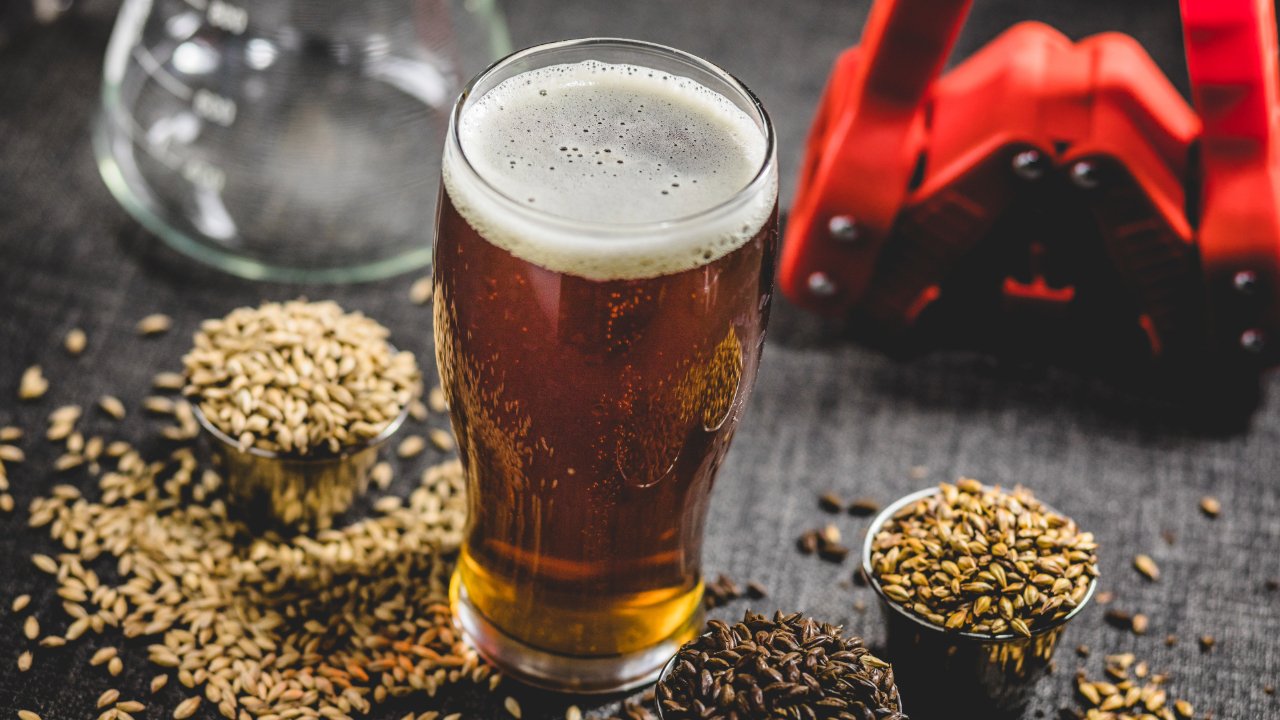
Hey there, fellow beer enthusiast. Picture this: It’s a lazy Saturday afternoon in my garage back in 2018, and I’m staring at a bubbling bucket of what I hoped would become my first homemade IPA. The smell of hops filled the air, mixing with a bit of nervous sweat as I wondered if I’d just wasted a weekend on something that might taste like vinegar. Fast forward a few weeks, and that first sip? Pure magic – crisp, hoppy, and way better than I expected. If you’re reading this, you’re probably at that starting line too, eager to dive into homebrewing but unsure where to begin. This guide is your roadmap, packed with everything you need for that inaugural brew, from gear to gotchas, all drawn from years of trial, error, and triumphant toasts.
What is Homebrewing?
Homebrewing is the art of crafting beer in your own space using simple ingredients like malt, hops, yeast, and water, transforming them through fermentation into a drink that’s uniquely yours. It’s not just about saving bucks on craft beer; it’s a hands-on hobby that lets you experiment with flavors, from citrusy ales to roasty stouts, right in your kitchen or garage. Think of it as baking bread but with a boozy twist – rewarding, creative, and surprisingly forgiving for beginners.
Why Dive into Homebrewing Now?
In a world flooded with mass-produced beers, homebrewing lets you reclaim control, crafting brews tailored to your taste buds without the hefty price tag of bar tabs. Beyond the savings – we’re talking pennies per pint once you’re set up – it’s a stress-busting ritual that connects you to centuries-old traditions while sparking that “I made this” pride. Plus, with communities popping up online and locally, it’s a social spark, turning solo sessions into shareable adventures with friends.
Essential Equipment for Your First Setup
Getting geared up doesn’t mean breaking the bank; focus on basics that handle the brewing, fermenting, and bottling stages without fancy frills. You’ll need items that ensure cleanliness and control, like a sturdy pot for boiling and vessels for fermentation, to avoid off-flavors in your debut batch. Start simple, and you can upgrade as your passion grows – that’s the beauty of this hobby.
Brewing Kettle
A solid stainless steel pot, at least 4-5 gallons, is your workhorse for boiling the wort, the sweet liquid that becomes beer. It needs to handle heat evenly without scorching ingredients, making it ideal for beginners who might not have a dedicated brew setup yet. Look for one with a lid to keep things sanitary during the process.
Fermentation Vessel
Grab a 6-gallon food-grade plastic bucket or glass carboy with an airlock to let CO2 escape while keeping contaminants out. This is where the magic happens as yeast turns sugars into alcohol over a week or two. Opt for something easy to clean, as sanitation here is key to avoiding funky tastes.
Sanitizer and Cleaner
No-rinse sanitizers like StarSan are non-negotiable; they kill bacteria without leaving residues that could ruin your brew. Pair it with a good cleaner for scrubbing gear post-use. Think of this duo as your brew’s bodyguard – skip them, and you’re inviting disaster.
Siphon and Tubing
An auto-siphon with flexible tubing makes transferring beer from fermenter to bottles a breeze, minimizing oxygen exposure that can stale your creation. It’s simple to use, even for first-timers, and beats pouring by hand every time.
Hydrometer
This tool measures specific gravity, helping you track fermentation progress and calculate alcohol content. It’s like a beer thermometer for science – dip it in, read the numbers, and know when your brew’s ready to bottle.
Bottling Gear
You’ll need a bottling bucket with spigot, wand, capper, and caps for packaging your finished beer. This setup ensures even carbonation and easy filling without spills. Recycle pry-off bottles from store-bought beers to keep costs low.
Here’s a quick table comparing essential vs. nice-to-have gear:
| Item | Essential? | Cost Range (2026) | Why You Need It |
|---|---|---|---|
| Brewing Kettle | Yes | $30-80 | Boils wort |
| Fermenter | Yes | $20-50 | Holds fermenting beer |
| Sanitizer | Yes | $10-20 | Prevents infections |
| Hydrometer | Yes | $15-25 | Measures progress |
| Thermometer | Nice-to-have | $10-30 | Monitors temps |
| Wort Chiller | Nice-to-have | $40-100 | Speeds cooling |
Key Ingredients: Building Blocks of Beer
Beer boils down to four stars: water, malt, hops, and yeast, each playing a role in flavor, body, and buzz. For your first brew, stick to kits that pre-measure these, so you focus on the fun without guesswork. Quality matters – fresh ingredients mean better beer, so source from reputable spots like Northern Brewer or local shops.
Malt Extract
This concentrated syrup or powder from malted barley provides the sugars yeast feeds on. Liquid malt extract (LME) is beginner-friendly for its ease, while dry (DME) offers more control. It’s the backbone of your beer’s sweetness and color.
Hops
These flower buds add bitterness, aroma, and flavor; bittering hops go in early, aroma ones late in the boil. Start with pellet hops for simplicity – they’re compact and potent. Experimenting here is where you personalize, like adding citrus notes for a summery vibe.
Yeast
The living hero that ferments sugars into alcohol and CO2. Ale yeasts work at room temps (60-70°F), perfect for home setups, while lager ones need cooler spots. Dry yeast packets are forgiving for newbies.
Water and Adjuncts
Tap water works if dechlorinated, but filtered ups the game. Adjuncts like fruits or spices? Save for later brews – keep your first simple.
Pros of using extract kits:
- Quick setup
- Consistent results
- Less equipment needed
Cons:
- Less customization than all-grain
- Slightly higher cost per batch
Step-by-Step Guide to Your First Brew
Brew day is exciting but methodical; set aside 3-4 hours, gather your gear, and follow these steps for a smooth ride. Remember my first time? I skipped reading the full instructions and ended up with a sticky floor – learn from that! Patience is your ally here.
Sanitize Everything
Start by mixing sanitizer in a bucket and soaking all post-boil equipment for 10 minutes. Rinse if needed, but no-rinse options save time. This step’s no joke; one stray bug can sour your efforts.
Prepare the Wort
Heat 2-3 gallons of water to 150-160°F, steep any specialty grains in a bag for 20-30 minutes like tea. Add malt extract, stir to dissolve, and bring to a boil – this sweet mix is your wort.
The Boil
Once boiling, add bittering hops and simmer for 60 minutes, stirring occasionally. Toss in flavor/aroma hops near the end. It’s aromatic chaos, but oh, that hoppy scent is addictive.
Cool the Wort
Rapidly chill to 70°F using an ice bath or wort chiller to prevent infections. This step’s crucial; hot wort invites bad bacteria. Took me 30 minutes my first go – pro tip: prep ice ahead.
Pitch the Yeast
Transfer cooled wort to your fermenter, top with water to 5 gallons, then sprinkle in rehydrated yeast. Seal with airlock and store in a dark, cool spot (65-70°F).
Ferment and Wait
Let it bubble for 1-2 weeks; check with hydrometer for stable readings. This waiting game’s tough, but it’s when flavors develop – resist peeking!
Bottle Your Beer
Siphon into bottling bucket with priming sugar for carbonation, fill bottles, cap, and condition for 2 weeks at room temp. Then chill and enjoy.
For a visual, check this beginner video guide from experts.
Common Mistakes and How to Avoid Them
Every brewer botches something early on – mine was under-sanitizing, leading to a sour batch that tasted like regret. Stay vigilant on cleanliness, temps, and measurements to sidestep pitfalls. Humor helps: If it goes wrong, call it “experimental” and try again.
Poor Sanitation
Biggest newbie killer; always sanitize post-boil. Use checklists to ensure nothing’s missed.
Temperature Swings
Yeast hates extremes; use a thermometer and stable spot. Too hot? Off-flavors galore.
Rushing Fermentation
Don’t bottle early; wait for hydrometer confirmation. Patience yields better beer.
Overcomplicating Recipes
Stick to basics first; fancy add-ons can wait. Simple equals success.
Comparison: Beginner vs. Common Errors
| Error | Impact | Fix |
|---|---|---|
| Skipping Sanitizer | Infected Brew | Always use no-rinse |
| Boiling Too Long | Bitter Overkill | Time precisely |
| Warm Ferment | Estery Tastes | Cool storage |
Best Starter Kits for Beginners in 2026
With tech advancing, 2026 kits are more user-friendly than ever, including smart thermometers in some. Based on reviews from sites like Wirecutter, here’s a roundup. I started with a basic one and never looked back.
MoreBeer Deluxe Home Brewing Kit
Priced around $150, it includes a kettle, fermenter, and recipe – comprehensive for 5-gallon batches. Great for extract brewing; users rave about durability.
Northern Brewer Brew Share Enjoy
At $120, this kit has siphonless fermenters for ease, plus a recipe. Ideal for small spaces; excellent instructions make it newbie-proof.
Craft a Brew 1-Gallon Kit
Budget option at $50; perfect for testing waters with smaller batches. Includes ingredients for one brew – low commitment, high fun.
Comparison Table: Top Kits
| Kit | Price (2026) | Batch Size | Best For | Rating |
|---|---|---|---|---|
| MoreBeer Deluxe | $150 | 5 gal | All-around | 4.8/5 |
| Northern Brewer | $120 | 5 gal | Ease of Use | 4.7/5 |
| Craft a Brew | $50 | 1 gal | Beginners | 4.5/5 |
| Mr. Beer Complete | $60 | 2 gal | Quick Start | 4.4/5 |
Pros of kits:
- All-in-one convenience
- Step-by-step guides
- Quality ingredients
Cons:
- Limited to provided recipes initially
- Upgrades needed for advanced brewing
Where to get them: Online at Northern Brewer or Amazon; locally, check homebrew stores via AHA directory.
Scaling Up: From First Brew to Hobby
Once your initial batch hooks you, explore all-grain methods for deeper control, or try kegging for draft-style pours. My second brew was an all-grain pale ale – messier, but the flavor depth? Worth it. Resources like our advanced tips page can guide you.
People Also Ask: Common Homebrewing Queries
Drawing from Google searches, here’s a section tackling frequent questions to cover your curiosities.
What Do I Need to Start Homebrewing?
Basics include a kit with kettle, fermenter, sanitizer, and ingredients. Budget $100-200 for starters. See our equipment list above for details.
How Long Does It Take to Brew Beer at Home?
Brew day: 3-4 hours; fermentation: 1-2 weeks; conditioning: 2 weeks. Total: About a month for drinkable beer.
Is Homebrewing Cheaper Than Buying Beer?
Yes, after setup costs – batches run $0.50-1 per bottle vs. $2-3 store-bought. Savings add up quickly.
What Is the Easiest Beer to Brew for Beginners?
Extract-based pale ales or blondes; simple recipes with forgiving flavors. Avoid complex lagers early on.
Can I Homebrew Without Special Equipment?
Mostly, using kitchen pots and buckets, but a kit streamlines and improves results.
FAQ: Answering Your Burning Questions
How Much Does a First Homebrew Batch Cost?
Around $40-60 for ingredients if you have gear; full kit setups add $100+. Cheaper than a night out.
What’s the ABV of Homemade Beer?
Typically 4-6% for beginners, but you control it via sugars and yeast. Measure with your hydrometer.
Do I Need a Dedicated Space for Brewing?
No, a kitchen or garage works; just ensure good ventilation and easy cleanup.
How Do I Know If My Brew Is Bad?
Taste it – sour or vinegary means infection. Most issues are fixable next time.
Where Can I Find Recipes?
Online at BeerSmith or books like “How to Brew” by John Palmer. Start simple!
In wrapping up, homebrewing isn’t just about the beer – it’s the journey, the tweaks, the shared sips that make it special. My first brew wasn’t perfect, but it sparked a lifelong love. Grab your essentials, follow these steps, and soon you’ll be toasting your own creation. Cheers to your brewing adventure – drop by our community forum for tips. If you’re hooked, explore kegging basics next. Happy brewing!
(Word count: 2,748)